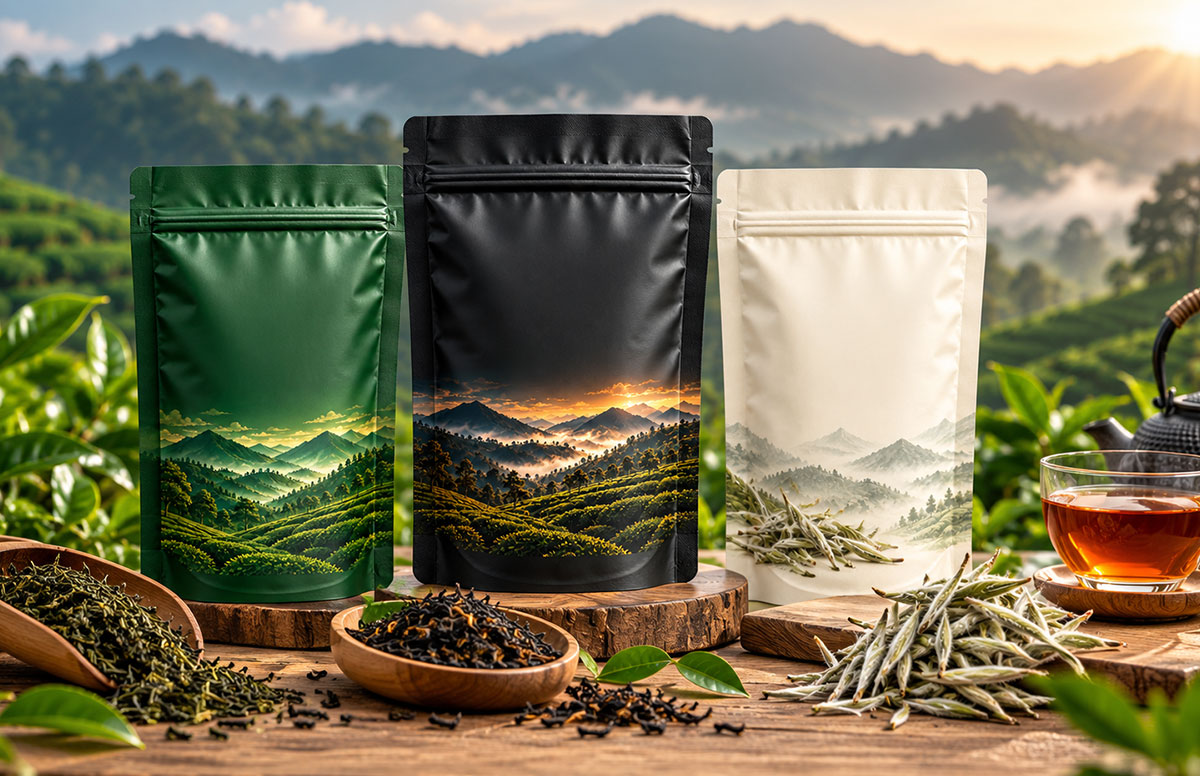
 Tea Packaging and Export
Tea packaging plays an important role in maintaining product quality during storage, transportation, and distribution. Even carefully selected tea can lose some of its desirable characteristics when exposed to moisture, air, light, heat, or strong surrounding odours. For international buyers, packaging decisions should consider the tea variety, shipment duration, storage conditions, retail presentation, and destination market requirements. Whether sourcing Darjeeling White Tea, Darjeeling Black Tea, Green Tea, Oolong Tea, Assam CTC Tea, or Dooars CTC Tea, businesses should evaluate packaging as an essential part of their purchasing strategy.
Key Considerations for Protecting Tea Quality
01Understand What Affects Tea Freshness
Tea leaves can absorb surrounding odours and moisture, potentially affecting their aroma and quality. Exposure to oxygen, light, and unsuitable temperatures may also contribute to deterioration over time.
- Moisture protection: Appropriate packaging helps reduce unwanted moisture exposure and supports better storage conditions.
- Odour protection: Packaging should help prevent tea from absorbing strong smells from nearby products or storage materials.
- Light and air management: Suitable packaging materials can limit exposure to environmental factors that affect product quality.
Packaging alone cannot guarantee freshness. Proper storage, handling, and inventory management remain important throughout the supply chain.
02Select Packaging According to the Tea Variety
Different tea products may require different packaging and handling considerations. Delicate teas, including Darjeeling White Tea, benefit from careful protection against moisture, odours, and rough handling. Darjeeling Black Tea and Oolong Tea also require packaging that helps preserve their characteristic aroma.
Green Tea should be stored carefully to protect its flavour and colour characteristics. Assam CTC Tea and Dooars CTC Tea are often purchased for regular consumption, making practical packaging sizes and efficient storage important considerations for distributors and retailers.
03Consider the Needs of Your Sales Channel
Packaging requirements vary according to how tea will reach the final customer. A specialty tea shop may prioritise premium presentation, while a wholesaler may focus on efficient handling and practical pack sizes.
- Retail businesses: Consumer-friendly packs can support shelf presentation, product identification, and convenient storage.
- Wholesale distributors: Larger formats may help streamline stock management and supply to commercial customers.
- Hospitality businesses: Packaging should suit purchasing volumes, storage facilities, and regular preparation requirements.
- Private-label brands: Custom branding can help businesses develop a recognisable identity, provided artwork and packaging specifications are confirmed before production.
04Plan Packaging for International Transportation
Export shipments can experience changes in temperature, humidity, handling conditions, and transportation duration. Buyers should discuss packaging suitability with their supplier before dispatch.
Confirm that outer cartons provide appropriate protection against crushing and handling damage. Ensure that the packaging arrangement suits the shipment method and that quantities, labels, and product details are accurate. Where additional protective measures are necessary, determine them according to the product, packaging materials, and expected transport conditions.
05Review Labelling and Product Information
Clear labelling helps buyers manage inventory and enables customers to understand what they are purchasing. Depending on the destination market, labels may need to include product identity, net quantity, ingredient information, origin details, batch identification, dates, storage instructions, or importer information.
Importers should verify the specific labelling rules applicable to their products and destination countries. Artwork and printed packaging should be reviewed carefully before production to minimise errors and avoid unnecessary reprinting.
06Establish Good Storage and Inventory Practices
Appropriate storage helps preserve the condition of packaged tea after delivery. Store products in clean, dry areas away from direct sunlight, excessive heat, moisture, and strong-smelling materials.
Use stock rotation procedures, monitor storage conditions, and follow the product’s recommended shelf-life guidance. These practices help businesses manage inventory responsibly and maintain better product quality from warehouse receipt to final sale.
Conclusion
Tea packaging is an important consideration for businesses importing and distributing Indian tea. Suitable materials, accurate labelling, careful transportation planning, and proper storage all contribute to protecting product quality. By discussing packaging requirements early with suppliers such as Oakira Group, buyers can select practical solutions for their tea varieties, sales channels, and destination markets while supporting a more reliable export supply chain.